Designing a stunning and effective landscape in San Marino, CA, requires more than only choosing appealing plants and materials. The particular climate, soil conditions, and environmental factors in this locale necessitate attentive planning to secure a long-lasting, flourishing outdoor space. Recognizing common mistakes can protect homeowners and property managers resources, money, and frustration while developing an attractive garden or yard that matches their home perfectly.
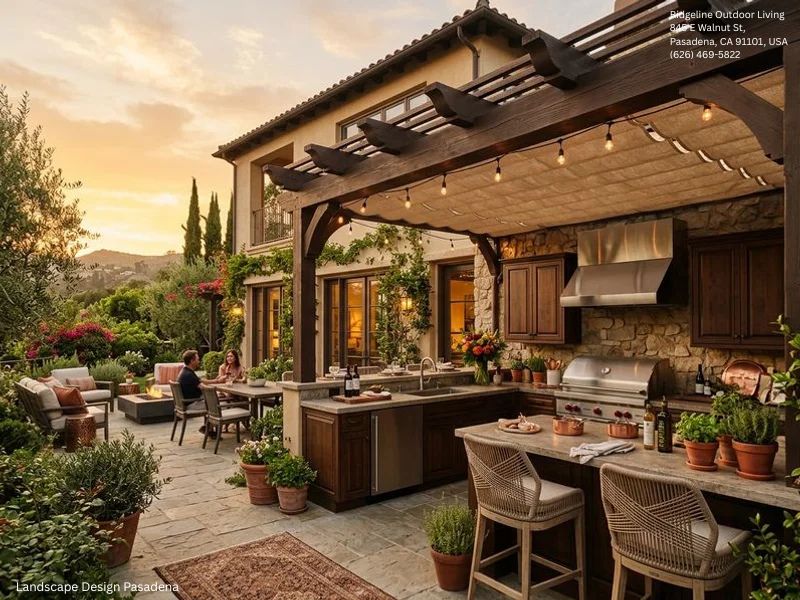
Overview of Landscape Design Challenges in San Marino, CA
San Marino’s Mediterranean climate features hot, dry summers and mild, wet winters, demanding to adapt landscape designs accordingly. The local soil quality may vary, sometimes presenting challenges such as compaction or erosion, which can affect plant health and growth. Additionally, microclimates formed by neighborhood layouts, slopes, or shade structures need thoughtful zoning within the landscape to improve plant placement and water use.
Homeowners must factor in drought-tolerant plants and create irrigation strategies appropriate for local water restrictions. Proper zoning of different landscape areas—such as setting aside areas for social gatherings versus private retreats—also plays a vital role. Without adapting to these unique regional factors, landscape projects may struggle or demand excessive maintenance.
Usual Mistakes in Soil Preparation and Testing
A essential element frequently ignored is thorough soil testing. Not assessing pH levels, nutrient content, or soil texture can lead to poor plant growth or failure. Compacted soils limit root penetration and water absorption, while erosion can remove valuable topsoil during rains.
- Overlooking soil testing: Without testing, gardeners are vulnerable to planting in unsuitable conditions that stunt plant development. Failing to address compaction: Compact soil prevents air and water movement, so aeration or soil amendments are often needed. Overlooking erosion control: Especially on slopes, preventing soil loss with proper groundcover or retaining solutions is critical. Skipping compost: Organic matter strengthens soil health greatly but is often skipped. Incorrect use of root barriers: Poor installation can affect desired plants or fail to control invasive roots effectively.
Dedicating time to analyze and adjust soil will create a healthy base for all following landscape elements.
Neglecting Proper Drainage and Irrigation Systems
Inadequate drainage design leads to water pooling or root rot, while insufficient irrigation wastes resources or harms plants. San Marino’s scarce rainfall demands water-efficient practices.
- Drainage issues: Not including graded surfaces or French drains can cause flooding and damage. Irrigation system errors: Overwatering is a common fault that damages drought-adapted plants and raises water bills. Ignoring water conservation: Using drip irrigation and rainwater harvesting significantly cuts usage. Failure to install rain sensors: These stop irrigation after rain events to avoid unnecessary watering.
Designers must tailor irrigation schedules and drainage plans meticulously to fit San Marino’s environment.
Poor Plant Selection and Placement
Selecting the wrong plants or positioning them inappropriately consumes effort and money. Native species and drought-tolerant plants should be prioritized to grow naturally in San Marino’s conditions.
- Plant selection mistakes: Non-native plants may demand excessive watering or care. Failing to include native shrubs and pollinator gardens: These sustain local ecosystems and reduce maintenance. Inadequate spacing: Crowded plants fight over light and nutrients and raise disease risk. Improper tree placement: Trees too close to structures or underground utilities can trigger damage. Ignoring seasonal planting: Timing plants for local bloom cycles maximizes visual appeal and vitality.
Thoughtful planning based on climate adaptation landscape maintenance Pasadena CA provides a sustainable, visually beautiful landscape.
Errors in Hardscape and Garden Layout Design
Hardscape elements like paths, retaining walls, and outdoor structures must match natural terrain and planting zones. Missteps here can damage space utility and stability.
- Poor pathway planning: Paths should encourage flow without interfering with soil or plant roots. Improper retaining wall construction: Walls that do not factor in slope stability may suffer from collapse or soil movement. Poor space utilization: Overcrowded or underutilized garden sections decrease enjoyment and appearance impact. Ignoring outdoor structure requirements: Pergolas, seating, or fences need to match sun exposure and wind flows.
Careful blending of hardscape with softscape produces both beauty and function.
Disregarding Maintenance Best Practices
Many landscapes deteriorate over time due to failure of routine upkeep tailored to San Marino’s environment and plant selection.
- Incorrect lawn maintenance: Excessive fertilization or improper mowing can injure turfgrass. Neglecting pruning techniques: Regular trimming supports plant health and desirable shapes. Lack of weed control: Weeds interfere with garden plants and host pests. Improper application of fertilizers: Overapplying negatively impacts soil ecology and plants. Avoiding mulch usage: Mulch conserves moisture and limits weeds but should be used properly. Neglecting pest management: Addressing garden pests and diseases promptly stops spread and plant loss.
Maintenance plans based on native plants and soil characteristics prolong landscape vitality.
Failing to Consider Climate and Environmental Factors
Disregarding microclimates, sunlight, and air circulation creates mismatched conditions for plants, bringing about stress or death. San Marino’s fire risk zones also necessitate special attention.
- Ignoring sunlight exposure: Some plants thrive with full sun, others do better in shade; mismatches bring about decline. Disregarding air circulation: Proper airflow minimizes disease and pest problems. Overlooking fire safety: Opting for fire-resistant plants and ensuring clearance defends property. Neglecting climate adaptation: Selecting drought-tolerant and heat-resilient species is important for survival.
Environmentally aware design secures investment and maintains long-term success.
Disregarding Eco-Friendly and Sustainable Landscaping Techniques
Eco-consciousness is vital in Southern California to control resource use and protect biodiversity. Many landscaping projects fail to seize opportunities to be environmentally responsible.
- Using non-eco-friendly materials: Choosing recycled, local, or low-impact materials reduces carbon footprint. Omitting organic gardening methods: Avoiding harmful pesticides and fertilizers encourages thriving soil and wildlife. Failing to compost: Compost boosts soil naturally and recycles waste. Water conservation neglect: Integrating xeriscaping principles and efficient irrigation preserves water. Omitting landscape for noise reduction or wildlife habitat: Deliberately placed plants and structures can improve privacy and ecosystem health.
Sustainable landscaping combines beauty with responsibility.
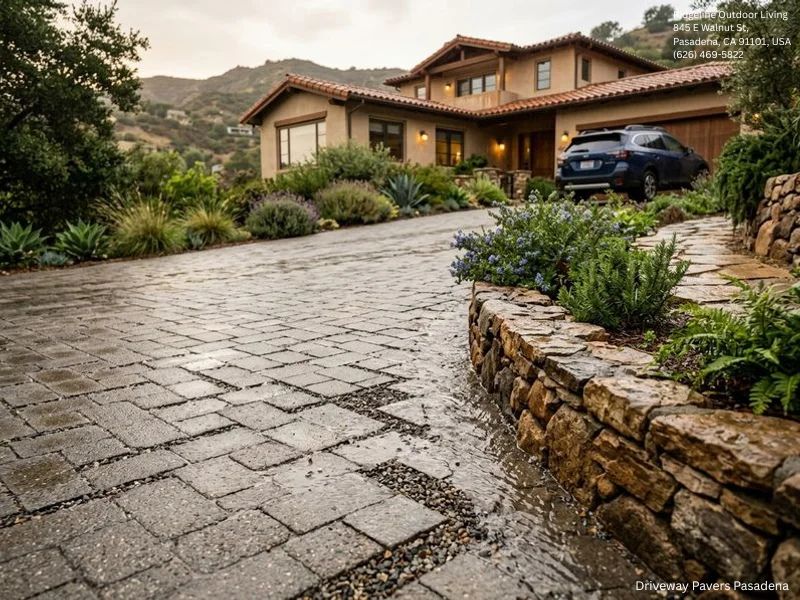
Enhancing Visual Appeal and Functionality
Besides plant choice and layout, introducing thoughtful elements improves both aesthetics and usability of outdoor spaces.
- Landscape lighting: Skillfully arranged lighting boosts evening ambiance and safety. Privacy screens: Hedges, trellises, or fences create intimate outdoor rooms. Garden ornaments and furniture: Art, benches, and tables encourage outdoor living. Establishing garden themes: Coordinated style through color, form, or plant types introduces personality. Ensuring signage visibility: Clear markings for pathways or plant beds improve navigation and care.
Balancing form and function elevates landscape enjoyment year-round.
Innovative Water-Saving Technologies in Landscape Design
Utilizing new technologies is essential hardscaping tips to meet San Marino’s water restrictions and sustainability goals.
- Smart irrigation controllers: Change watering times automatically based on weather conditions to stop waste. Drip irrigation systems: Supply water directly to plant roots, boosting efficiency and minimizing evaporation. Rain sensors: Turn off irrigation during rain to conserve water and stop oversaturation.
Integrating these tools maximizes water use and helps drought-conscious landscapes.
Integrating Wildlife Habitats Without Compromising Aesthetics
Designing garden spaces that invite beneficial insects, birds, and pollinators boosts biodiversity without losing beauty.
- Attracting beneficial insects: Plant flowers that give nectar and shelter to ladybugs, bees, and butterflies. Bird-friendly landscaping: Add native trees, shrubs, and water sources to sustain avian species. Safe habitat creation: Avoid chemicals and offer brush piles or nesting boxes for small animals.
Well-designed habitats support ecological balance and introduce dynamic interest to gardens.
Legal and HOA Considerations in San Marino Landscape Projects
Preparing projects in adherence to local laws, homeowner association rules, and permitting requirements stops costly delays and fines.
- Local ordinances: Regulations may regulate water use, plant species, or fence heights. HOA guidelines: Many communities have criteria for outdoor structures or visible landscape changes. Permit requirements: Retaining walls, large irrigation systems, or significant grading modifications often need official approval.
Checking regulations early ensures smooth project execution.
Frequently Asked Questions
- What soil issues are most common in San Marino landscapes? High soil compaction and variable pH levels are typical challenges affecting drainage and nutrient availability. How can I prevent drainage problems in my yard’s design? Add graded surfaces, French drains, and opt for permeable materials to support water flow and avoid pooling. What native plants thrive best in San Marino’s climate? California sagebrush, manzanita, and deergrass are ideal drought-tolerant natives customized for local soils and weather. How often should I water my garden to avoid overwatering? Frequency is influenced by plant type and season, but generally deep, infrequent watering supports healthy roots more than daily shallow irrigation. What are the best eco-friendly landscaping practices for Southern California? Use drought-tolerant native plants, apply organic mulches, employ drip irrigation, and compost yard waste. How can I protect my garden from common pests without harmful chemicals? Encourage beneficial insects, implement crop rotation, and use physical barriers like row covers or traps. Are there any local restrictions for outdoor structures or retaining walls? Yes, permits may be required depending on size, height, and proximity to property lines—always verify with city or HOA before starting. How do I plan landscape lighting for both aesthetics and safety? Use layered lighting including path lights, spotlights for focal points, and ambient fixtures to blend function and atmosphere.
Ridgeline Outdoor Living
Ridgeline Outdoor Living is a Pasadena-based landscape design-build company serving Greater Los Angeles with custom outdoor living, hardscape, and drought-tolerant landscape solutions. The company specializes in patios, retaining walls, outdoor kitchens, drainage, hillside projects, and turnkey landscape construction, handling projects from design and permitting through final build and warranty.
Address:
845 E Walnut St,
Pasadena,
CA
91101,
United States
Phone: (626) 469-5822
Map: View on Google Maps
Business Hours:
- Monday – Saturday: 8:00 AM – 6:00 PM
- Sunday: Closed
Follow Us: