Readying your yard for a certified landscape installation can be a rewarding process towards designing an outdoor space that’s both appealing and functional. Whether you’re a resident, property manager, or realtor in the 626 area code, knowing the important steps to prepare your yard will ensure a efficient installation process, compliance with local regulations, and enduring results. This guide leads you through every critical phase, from site assessment to collaborating with your landscape contractor, tailored specifically for Southern California’s special climate and soil conditions.
Understanding the Scope of Your Landscape Project
Before beginning the hands-on preparation of your yard, it’s crucial to fully get the scope of your landscaping project. Landscaping design and landscape architecture are essential aspects that establish the character and functionality of your outdoor flagstone patio Pasadena space. Working with professionals often requires site preparation that adheres to zoning regulations and may require landscape permits within the 626 area code.
Early consideration of these factors will help you prevent costly delays and ensure the project conforms to municipal guidelines. Understanding whether your project contains new garden beds, hardscaping, irrigation upgrades, or water features helps establish clear objectives for site work and infrastructure needs.
Conducting a Thorough Site Assessment
Soil Testing and Soil Amendment
One of the earliest steps in preparing your yard is completing comprehensive soil testing. Understanding soil pH, nutrient levels, and texture helps identify what amendments are needed for optimal plant growth. In the 626 area, soil can vary from sandy loam to clay-heavy, so adjustments such as adding topsoil, organic matter, and compost often improve fertility and drainage.
Use eco-friendly fertilization options to support sustainable landscaping practices. Properly amending your soil before installation promotes healthier root development and boosts drought-resistant plant survival—crucial in Southern California’s climate.
Leveling and Grading Your Yard
Proper grading and leveling
play a crucial role vital to prevent concerns like water pooling and erosion. This process includes excavation, soil compaction, and backfilling to form a stable, level base for your landscape components. Proper grading ensures proper drainage, preserving your investment in new plants and hardscapes.
Apply erosion control measures where appropriate, hardscaping tips especially on inclined areas. Proper land contouring will retain soil integrity while channeling rainwater optimally, reducing damage and fostering sustainability.
Preparing the Yard Infrastructure
Irrigation and Drainage System Installation and Inspection
Efficient irrigation systems such as drip lines or sprinkler setups suited to your landscape’s needs are crucial for ensuring plant health. Before your landscaper comes, either install or inspect existing systems to verify functionality and coverage. This entails making sure timers and valves operate properly and that zones match your planned planting layout.
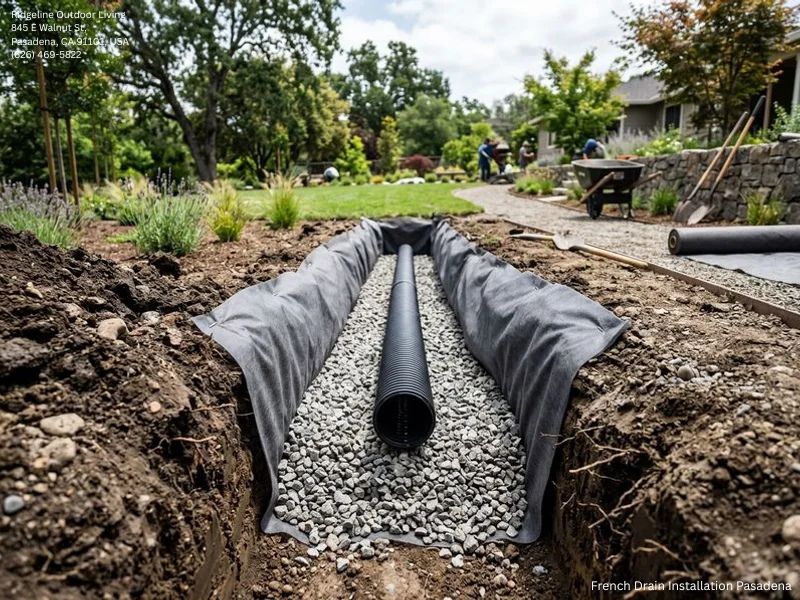
Managing rainwater management with effective drainage solutions lowers runoff and preserves structures. Utilizing root barriers where necessary blocks invasive plant roots from injuring irrigation lines or underground utilities.
Managing Drainage and Erosion Concerns
In addition to irrigation, managing excess water through strategic drainage solutions helps avoid long-term problems. Installing retaining walls or terracing can secure slopes and control soil movement. Water features, when included, should be thoughtfully combined with drainage plans to avoid flooding or pooling.
Work with professionals who understand Southern California’s rainfall patterns to pick appropriate erosion controls and landscape architecture methods for your yard.
Yard Clearing and Cleaning
Weed Removal and Lawn Care
Removing weeds and carrying out basic lawn care primes your yard in appearance and condition for a renewed landscaping start. Apply effective techniques for weed removal, including manual extraction and eco-friendly herbicides. Aeration boosts soil oxygen levels, supporting healthier grass and plant roots.
Pest control should target local nuisances while lessening environmental impact. Pruning shrubs and trimming trees eliminate dead or overgrown branches that could interfere with installation or future growth.
Removing Construction Debris and Landscape Cleanup
To establish a safe and organized workspace, eliminate any construction debris or leftover materials from prior projects. Landscape cleanup also entails clearing away fallen leaves, branches, and undesired vegetation. A clean yard decreases risks of injury and facilitates the landscape contractor’s progress, aiding timeline adherence and budget control.
Final Touches Before Installation
Ready Garden Beds and Plant Selection
Define and clear your garden beds by removing unwanted vegetation and modifying soil as needed. Thoughtful plant selection choosing native plants adapts your landscape to the local climate, demanding less water and maintenance. Keep in mind seasonal planting and sync your schedule with local recommendations to enhance growth success.
Planning plants according to a planting schedule supports the best timing for installation and later care. This strategy encourages sustainable landscaping practices that advantage both your yard and the environment.
Mulch Application and Edging
Spreading mulch fulfills multiple purposes: moisture retention, temperature regulation, and weed suppression. Use organic mulch or decorative stones as ground cover to boost aesthetics and soil health. Establishing clean and defined edging around garden beds and pathways provides a distinct , polished look and avoids material migration.
Planning Hardscaping Elements
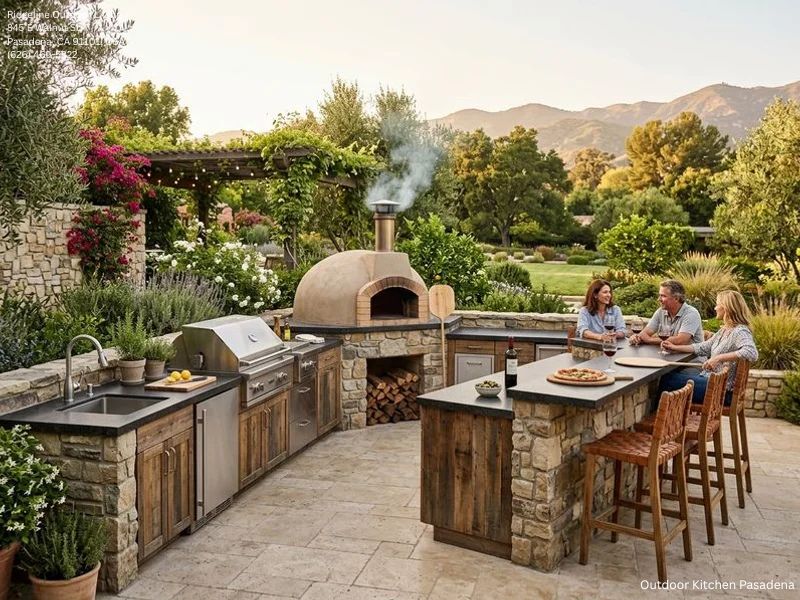
Organize the placement of hardscaping components like patios, driveway borders, and pathways with your landscape design. Proper planning enables seamless integration of outdoor furniture and retaining walls, enhancing function and curb appeal. Verify dimensions and materials early to help material sourcing and budget management.
Working with Your Landscape Contractor
Open communication with your landscape contractor is vital throughout the project. Ensure they manage site preparation tasks and verify any required landscape permits and compliance with area zoning regulations
. Collaborating intimately assures goals are synchronized, challenges are avoided, and the installation moves forward effectively.
Hire contractors knowledgeable in local conditions and regulations to obtain knowledgeable support and high-quality results.
Key Seasonal Advice for Yard Prep in the 626 Area Code
Coordinating yard work with seasons is essential for Southern California’s climate. Refrain from extensive soil tasks during wet periods to stop soil compression and washout. Schedule planting during cooler seasons to allow native and drought-tolerant species to root without heat damage. Environmental conditions influence soil conditioning and irrigation designs, affecting project results.
Affordable Yard Prep Tips
Save money by doing straightforward DIY yard prep like weed pulling, lawn aeration, and trash clearing. Obtain supplies like mulch and topsoil nearby to cut down delivery expenses. Emphasize enhancements that simplify installation and support plant wellness to avoid pricey fixes. Economical landscaping prep merges effectiveness with high quality.
Usual Yard Prep Pitfalls to Steer Clear Of
- Too much soil pressing: Hinders root expansion and water uptake. Overlooking water runoff: Leads to water damage and plant health issues. Bad ground grading: Produces uneven land and soil degradation. Wrong plant choices: Opting for plants incompatible with the locale escalates maintenance and losses.
Dodging these mistakes helps ensure a successful landscaping project and vibrant yard.
Frequently Asked Questions
What is the typical duration to prep a yard for professional landscaping?
The time to prepare depends on yard dimensions and extent, usually between a few days and a few weeks. Tasks like soil testing, grading, and infrastructure checks require careful scheduling to align with installation timelines.
Are permits necessary for landscape installation within the 626 area code?
Several landscaping undertakings, notably involving structural or watering system changes, require permits. Contact your county office for details on permit rules and deadlines relevant to your work.
What categories of soil tests are needed before landscaping?
Essential tests cover assessing soil pH, nutrient content, drainage capacity, and organic matter levels. More advanced testing may detect contaminants depending on past land use.
Can I install irrigation systems myself before the landscaper arrives?
Yes, but ensure system layout corresponds to your planned planting zones and that installation follows local codes. Working together with your landscaper helps combine irrigation with other site elements.
What steps should I take to choose native plants suitable for my yard in the 626 area?
Pick plants adapted to Southern California’s Mediterranean climate — water-wise varieties that flourish in local soil types. Seek advice from native plant nurseries or professionals experienced in the 626 area for recommendations.
Why is proper grading and drainage?
Adequate grading avoids standing water, safeguards foundations, and reduces erosion. Efficient drainage maintains plant health and lowers maintenance.
How can I prevent pests during the landscaping process?
Preserve healthy soil and plants, clear away debris promptly, and consider integrated pest management techniques that cut down chemical use while controlling common pests.
At what time to prepare my yard for landscaping in Southern California?
The preferred period is between late fall and early spring, avoiding high temperatures and dry summer months to support plant establishment and soil work conditions.
ConclusionPreparing your yard for professional landscape installation in the 626 area code requires thoughtful planning and diligent site preparation. By comprehending your project scope, executing thorough site assessments, dealing with infrastructure, and partnering closely with your landscape contractor, you pave the way for a successful transformation. Use sustainable practices, pick native plants, and observe local regulations to create a attractive, resilient outdoor space that mirrors your vision and Southern California’s unique environment.
Looking to improve your yard? Begin your planning now and work with a trusted landscaping professional to create your perfect outdoor setting.
Ridgeline Outdoor Living
Ridgeline Outdoor Living is a Pasadena-based landscape design-build company serving Greater Los Angeles with custom outdoor living, hardscape, and drought-tolerant landscape solutions. The company specializes in patios, retaining walls, outdoor kitchens, drainage, hillside projects, and turnkey landscape construction, handling projects from design and permitting through final build and warranty.
Address:
845 E Walnut St,
Pasadena,
CA
91101,
United States
Phone: (626) 469-5822
Map: View on Google Maps
Business Hours:
- Monday – Saturday: 8:00 AM – 6:00 PM
- Sunday: Closed
Follow Us: