Embedding outdoor lighting into your landscape design is a impactful way to boost the appearance, security, and convenience of your outdoor spaces. Whether you want to emphasize garden details, enhance pathways, or enhance security, effective landscape lighting augments your property's visual aesthetics while ensuring functionality. This thorough guide answers critical questions about lighting types, placement strategies, technologies, maintenance, and smart integration, enabling you to create a optimized and energy-efficient outdoor lighting system designed to your needs.
Which Outdoor Lighting Fixtures Are Key Landscape Design?
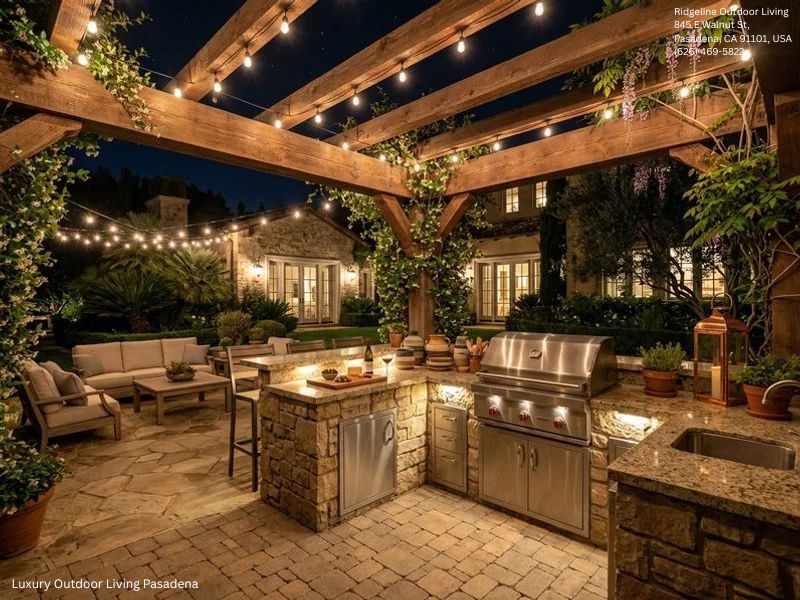
Recognizing the range of outdoor fixtures available lets you to identify lighting that suits your landscape architecture and fulfills defined purposes. Landscape lighting includes an array of fixture types designed to light and enhance different areas:
- Pathway Lights: Usually low voltage stake lights or LED lamps that deliver secure and attractive illumination for walkways, garden paths, and driveway edges.Spotlights and Floodlights: Spotlights focus intense light on focal points like trees or sculptures, generating dramatic shadow effects, while floodlights provide wide-area coverage suitable for security or broad ambient lighting.Deck Lights and Step Lights: These recessed or surface-mounted outdoor lamps are built into decks, stairs, or retaining walls to increase safety and ambiance during twilight hours.Wall Lighting and Outdoor Sconces: Attached to exterior walls and pillars, these fixtures add decorative and functional lighting around entrances, patios, and porches.Hanging Lanterns and Chandeliers: Perfect for covered outdoor spaces such as gazebos or pergolas, providing charm and warmth with decorative appeal.Bollard and Stake Lights: Ground-level fixtures placed along garden borders or pathways provide subtle illumination and augment design balance.Solar Lighting: Eco-friendly and wireless, solar lighting provides flexibility in placement but may have fluctuating brightness based on sunlight exposure.
Picking the right combination of these fixtures allows layering light effectively across your landscape zones.
How Can I Properly Layer as well as Layer Lights for Maximum Landscape Effect?
Positioning and layering of lights are vital aspects for attaining a balanced and functional outdoor lighting design. Complying with landscape lighting design principles guarantees aesthetic appeal, safety, and energy efficiency.
- Layering Light: Combine ambient lighting for overall lighting, task lighting for focused work, and accent lighting to highlight important features such as water features, trees, or architectural elements.Defining Lighting Zones: Segment your outdoor space into zones—walkways, seating areas, garden beds, and building façades—and adapt lighting strategies accordingly function and mood.Highlight Focal Points: Make use of spotlights and tree uplighting with thoughtfully set spotlight angles to shape plants and structures, generating captivating shadow effects and depth.Maintain Design Balance: Avoid over-lighting by evenly distributing light and spreading light uniformly to prevent harsh contrasts and glare that can disturb the ambiance.Safety Considerations: Ensure staircases, steps, and pathways are sufficiently brightened using step lights and pathway lights placed at intervals to reduce falls in low light.
Drawing a lighting layout or utilizing design software enables you to visualize layering and fixture placement effectively before installation.
What Are the Most Efficient and High-Performing Lighting Technologies for Outdoor Use?
Selecting the right lighting technology enhances energy efficiency, durability, and ease of control. Key technologies include:
- LED Lights: Celebrated for extended life, minimal power usage, and customizable color temperature, LEDs are ideal for virtually all outdoor lighting needs, including pathway lights, accent lighting, and floodlights.Solar Lighting: Incorporating solar panels and rechargeable batteries, solar fixtures enable wire-free setups. Best suited for sunny areas, they deliver green energy solutions though with a bit dimmer output than traditional wired lights.Low Voltage Lights: Running at low voltage of 12V, these systems are less hazardous to install compared to high-voltage lines, commonly used for pathway and accent lighting with compatible transformers. Waterproof and Sealed Fixtures: Outdoor lamps must carry strong IP ratings to endure moisture, dust, and temperature variations providing durability and dependable performance.Lighting Control Features: Utilize dimmers, timers, dusk to dawn sensors, and motion detectors to schedule your lighting plan, enhance energy savings, and increase overall convenience.Power Source Options: Pick among direct electrical wiring, solar power, or battery-operated devices considering your site conditions and design requirements.
Employing efficient lighting technology combined with smart controls decreases energy consumption and elevates landscape aesthetics year-round.
How Can Outdoor Lighting Improve Security and Safety in My Landscape?
Outdoor lighting is important in enhancing property security and preventing accidents, uniting functionality with aesthetic appeal:
- Illuminated Entryways and Pathways: Thoughtfully located pathway lights and step lights offer safe navigation for family and guests after dark, lowering fall risks.Motion Sensor Floodlights: These trigger bright lights when movement is detected near sensitive areas such as doors, driveways, or backyards, deterring potential intruders effectively.Consistent Ambient or Twilight Lighting: Low-level lighting ensures visibility without causing glare or disturbing neighbors, upholding a welcoming yet secure environment.Highlight Potential Hiding Spots: Illuminate shrubs, bushes, and other landscaping features where intruders could conceal themselves, improving overall property surveillance.Seamless Integration: Merge security lighting with decorative outdoor sconces or lantern posts to uphold cohesive design balance while serving functional safety purposes.
Well-planned security lighting improves peace sustainable landscaping Pasadena CA of mind while matching the style and structure of your outdoor living spaces.
What Should I Know About Maintaining and Guaranteeing Durability of Outdoor Lighting Systems?
Proper maintenance prolongs the lifespan and effectiveness of your outdoor lighting installations, protecting your investment:
- Choose Durable Fixtures: Opt for waterproof, corrosion-resistant materials suitable for your climate, especially in coastal or high-moisture environments. Periodic Cleaning: Wash optics, bulbs, and housing to remove dust and debris that can diminish brightness or lead to irregular illumination.Inspect Wiring: Regularly inspect interfaces and wire condition, particularly in DIY or exposed setups, to avoid faults or risks.Replace Bulbs: Replace incandescent or outdated bulbs with energy-saving LED lights to improve brightness and cut down power consumption.Seasonally Adjust Controls: Change timers, dimmers, and dusk adjustments to correspond to changing daylight hours to enhance effectiveness and user comfort.Advantages of Modular Fixtures: Select lighting styles that permit convenient bulb swaps or enhancements to adjust your landscape lighting as needed.
Consistent upkeep guarantees your landscape lighting is aesthetically pleasing and operationally effective throughout the year.
How Smart Technology Improves Outdoor Landscape Lighting?
Using smart outdoor lighting boosts comfort, customization, and energy savings:
- App-Based Lighting Control: Control brightness, color temperature, and scheduling off-site via smartphone apps, allowing convenience even when away from home.Voice-Activated Control: Connect lighting systems with virtual assistants like Alexa or Google Home for hands-free voice commands regulating your landscape lights.Automated Timers and Sensors: Employ dusk-to-dawn sensors, motion detectors, and programmable timers to automatically switch lights on or off, cutting energy consumption.Personalized Lighting Scenes: Create ambient modes for gatherings, relaxing, or improving garden lighting customized for different atmospheres and events.System Monitoring: Be alerted to alerts regarding fixture outages or malfunctions, enabling prompt maintenance for uninterrupted lighting performance.
Intelligent lighting systems offer modern features and refinement to your landscape lighting design while encouraging energy efficiency.
Popular FAQs
Q1: Which Types of Outdoor Lighting Ensure Safety?
A1: For safety, pathway lights and step lights ensure uniform brightness to avoid accidents. Motion sensor floodlights are excellent for security, triggering intense lighting upon movement detection and discouraging trespassers efficiently.
Q2: What Distance Should Pathway Lights Be Placed?
A2: To achieve consistent and optimal illumination, pathway lights should generally be spaced 6 to 8 feet apart. This spacing minimizes dark gaps while keeping away overpowering brightness.
Q3: Can I Install Outdoor Lighting Myself or Should I Hire an Electrician?
A3: Elementary solar or low voltage lighting systems can often be installed as DIY projects with proper guidance. However, more complex high-voltage wiring should be handled by licensed electricians for safety and code compliance.
Q4: What Color Temperature Works Best for Garden Lighting?
A4: Warm white light (2700K to 3000K) creates a cozy and inviting atmosphere suitable for patios and seating areas. Cooler white temperatures (3500K to 4000K) boost clarity and vibrancy, accentuating greenery and architectural elements clearly.
Q5: How Are Motion Sensors Functionally Used in Outdoor Security Lighting?
A5: Motion sensors identify movement within a predefined range and automatically illuminate the attached lights for a set duration before shutting them off if no further activity is sensed, optimizing energy usage while boosting safety.
Q6: Is Outdoor Use of Solar Lights Reliable?
A6: Solar lights are a consistent, eco-friendly option when installed in locations receiving sufficient sunlight. While their brightness may be not as strong as wired LED lights, advances in technology continue to enhance their performance and longevity.
Q7: In What Ways Can Outdoor Lighting Raise Property Value?
A7: Professionally designed and installed landscape lighting not only uplifts curb appeal but also expands the usability of outdoor spaces during evenings and raises security measures. These factors in combination lead to higher property valuations.
Conclusion
Including outdoor lighting strategically into hardscaping tips your landscape design improves your home's aesthetic appeal, ensures safety, and offers sustainable energy solutions. By selecting suitable fixtures, planning strategic light placement and layering, utilizing modern energy-efficient and smart lighting technologies, and carrying out routine maintenance, you can turn your outdoor living environment into a welcoming and secure retreat. Begin designing your lighting layout today to boost your landscape’s nighttime allure and functionality with clarity and confidence.
Ridgeline Outdoor Living
Ridgeline Outdoor Living is a Pasadena-based landscape design-build company serving Greater Los Angeles with custom outdoor living, hardscape, and drought-tolerant landscape solutions. The company specializes in patios, retaining walls, outdoor kitchens, drainage, hillside projects, and turnkey landscape construction, handling projects from design and permitting through final build and warranty.
Address:
845 E Walnut St,
Pasadena,
CA
91101,
United States
Phone: (626) 469-5822
Map: View on Google Maps
Business Hours:
- Monday – Saturday: 8:00 AM – 6:00 PM
- Sunday: Closed
Follow Us: